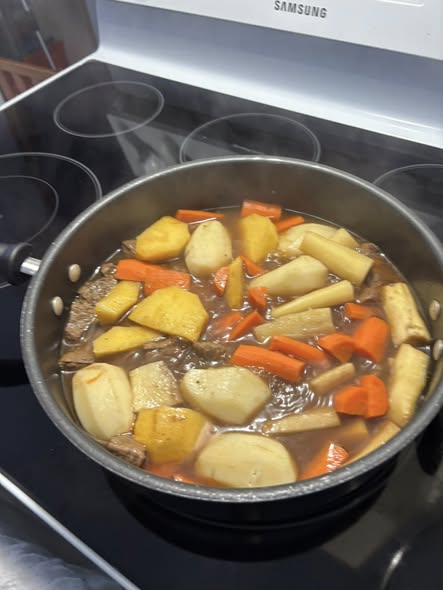
Homemade Stew – A Comforting One-Pot Meal Full of Rich Flavor
When it comes to hearty, comforting meals, few dishes compare to a classic homemade stew. Warm, nourishing, and filled with tender vegetables and savory broth, stew has been a beloved comfort food in kitchens around the world for generations. Whether served during cold winter nights or as a cozy family dinner, this traditional stew recipe delivers rich flavor and satisfying texture in every bite.
The beauty of homemade stew lies in its simplicity. With basic ingredients like meat, potatoes, carrots, onions, herbs, and broth, you can create a wholesome meal that tastes like it simmered all day. Slow cooking allows the flavors to blend together, producing tender meat and a thick, flavorful broth.
Unlike store-bought soups or pre-made meals, making stew at home allows you to control the ingredients and adjust the flavors to your preference. It’s also one of the most budget-friendly meals, as inexpensive cuts of meat become incredibly tender when simmered slowly.
In this guide, you’ll learn everything about preparing a perfect homemade stew, including tips for tender meat, thick broth, cooking times, and nutritional information.
What Makes a Great Homemade Stew?
A truly delicious stew is more than just ingredients simmered in a pot. The key to a perfect stew lies in building layers of flavor.
Several factors contribute to a rich, satisfying stew:
Proper Browning of Meat
Browning the meat before simmering helps develop deep flavor through caramelization.
Slow Cooking
Low and slow cooking allows tough cuts of meat to become tender while enhancing the broth.
Balanced Ingredients
Vegetables, herbs, and broth must complement the meat without overpowering it.
Thick and Rich Broth
A stew should have a slightly thick, hearty consistency rather than a thin soup-like texture.
Best Meat Choices for Homemade Stew
Stew is traditionally made using tougher cuts of meat because they become tender after long cooking.
Here are some great options:
Beef Chuck
One of the best cuts for stew because it becomes very tender during slow cooking.
Stewing Beef
Pre-cut cubes specifically prepared for stews.
Beef Brisket
Adds deep flavor and rich texture.
Lamb Shoulder
Perfect for Mediterranean-style stews.
Chicken Thighs
A lighter option that still provides great flavor.
Beef stew is the most common version, but many variations exist depending on regional traditions.
Essential Vegetables for a Classic Stew
Vegetables add flavor, texture, and nutrition to stew. Some vegetables hold up well during long cooking while others soften quickly.
The most popular stew vegetables include:
- Potatoes
- Carrots
- Onions
- Celery
- Garlic
Other optional vegetables include:
- Mushrooms
- Peas
- Turnips
- Parsnips
- Green beans
Root vegetables work especially well because they absorb the rich broth.
Herbs and Seasonings That Enhance Stew Flavor
The right seasonings transform a simple stew into a deeply flavorful dish.
Common herbs used in homemade stew include:
Thyme
Adds an earthy, slightly minty flavor.
Bay Leaves
Enhance the depth of the broth during simmering.
Rosemary
Provides a warm, aromatic flavor that pairs well with beef.
Black Pepper
Adds gentle spice.
Paprika
Contributes subtle warmth and color.
These herbs create the signature flavor profile of a classic stew.
Why Slow Cooking Creates the Best Stew
Slow cooking is essential for stew because it breaks down connective tissue in tougher cuts of meat.
As the stew simmers, collagen melts into the broth, creating a silky texture and deep flavor.
Cooking methods for stew include:
Stovetop Simmering
Traditional method that allows easy monitoring.
Slow Cooker
Perfect for hands-off cooking throughout the day.
Dutch Oven
Excellent for even heat distribution.
Pressure Cooker
A faster option that still produces tender meat.
Each method produces delicious results.
How to Thicken Homemade Stew
A good stew should have a thick, rich broth rather than watery liquid.
Here are several ways to thicken stew:
Flour Coating
Coating meat with flour before browning naturally thickens the broth.
Cornstarch Slurry
Mix cornstarch with cold water and stir into the stew.
Mashed Potatoes
Mash some cooked potatoes directly into the stew.
Roux
A mixture of butter and flour cooked together.
These methods help create the hearty consistency expected in a traditional stew.
Tips for the Best Homemade Stew
Follow these simple tips to ensure a delicious result.
Cut Ingredients Evenly
Uniform pieces cook more evenly.
Don’t Rush the Simmer
Slow cooking is key for tender meat.
Taste and Adjust Seasoning
Season gradually throughout cooking.
Add Delicate Vegetables Later
Vegetables like peas should be added near the end.
Let the Stew Rest
Stew often tastes even better after sitting for 10–15 minutes.
How to Store and Reheat Stew
Homemade stew stores very well and often tastes better the next day.
Refrigeration
Store in airtight containers for up to 4 days.
Freezing
Freeze for up to 3 months.
Reheating
Reheat gently on the stove over medium-low heat until warmed through.
If the stew thickens too much, add a little broth or water.
Serving Suggestions
Stew can be served on its own, but it also pairs well with many sides.
Popular serving options include:
- Crusty bread
- Buttered biscuits
- Rice
- Mashed potatoes
- Fresh green salad
These sides help soak up the rich, savory broth.
Part 2 – Simple Homemade Stew Recipe
Preparation Time
20 minutes
Cooking Time
1 hour 30 minutes
Total Time
1 hour 50 minutes
Servings
6 servings
Ingredients
- 2 pounds beef stew meat, cut into cubes
- 2 tablespoons olive oil
- 1 medium onion, chopped
- 3 cloves garlic, minced
- 4 cups beef broth
- 3 medium potatoes, peeled and diced
- 3 carrots, sliced
- 2 celery stalks, chopped
- 1 tablespoon tomato paste
- 1 teaspoon salt
- ½ teaspoon black pepper
- 1 teaspoon dried thyme
- 1 bay leaf
- 2 tablespoons flour (for thickening)
- 1 cup frozen peas (optional)
Instructions
Step 1 – Brown the Meat
Heat olive oil in a large pot or Dutch oven over medium-high heat. Add the beef cubes and cook until browned on all sides.
Step 2 – Sauté Aromatics
Add chopped onion and garlic to the pot. Cook for about 3–4 minutes until fragrant.
Step 3 – Add Broth and Seasonings
Stir in beef broth, tomato paste, salt, pepper, thyme, and bay leaf.
Step 4 – Simmer the Stew
Bring the mixture to a boil, then reduce heat and simmer for 60 minutes, stirring occasionally.
Step 5 – Add Vegetables
Add potatoes, carrots, and celery. Continue cooking for 25–30 minutes until vegetables and meat are tender.
Step 6 – Thicken the Stew
Mix flour with a little water to create a slurry, then stir into the stew. Simmer for 5 minutes until the broth thickens.
Step 7 – Add Peas
Stir in frozen peas and cook for another 2–3 minutes.
Step 8 – Serve
Remove bay leaf, taste for seasoning, and serve hot.
Nutritional Information (Per Serving – Approximate)
- Calories: 380
- Protein: 32 g
- Carbohydrates: 22 g
- Fat: 18 g
- Fiber: 4 g
- Sodium: 640 mg