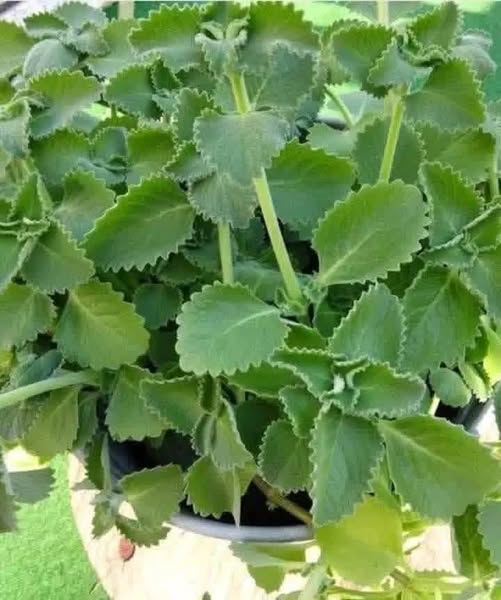
A Scientific Look at Oregano’s Role in Supporting Wellness
Oregano is one of the most widely used culinary herbs in the world, known for its bold aroma, warm flavor, and impressive nutritional value. Often associated with Mediterranean cuisine, oregano has been valued for centuries not only as a flavorful ingredient but also as a plant traditionally used in wellness practices. Today, modern science has begun exploring the natural compounds found in oregano and how they may contribute to overall health and well-being.
In this article, we will explore oregano from a scientific perspective—examining its nutrients, plant compounds, potential health-supporting properties, and simple ways to include it in your daily routine.
What Is Oregano?
Oregano (scientific name Origanum vulgare) is a perennial herb belonging to the mint family, known as Lamiaceae. It is native to the Mediterranean region but is now cultivated across many parts of the world.
The plant produces small green leaves with a strong, slightly peppery flavor and earthy aroma. Oregano is commonly used in:
- Italian cooking
- Greek cuisine
- Mediterranean dishes
- Herbal teas
- Natural wellness preparations
Fresh and dried oregano are both popular, but dried oregano tends to have a more concentrated flavor.
Nutritional Profile of Oregano
Despite being used in small amounts, oregano is surprisingly rich in beneficial nutrients and plant compounds.
Key Nutrients in Oregano
Oregano contains:
- Vitamin K – supports bone health and blood clotting
- Vitamin A – important for vision and immune health
- Vitamin C – helps support immune function
- Iron – assists oxygen transport in the blood
- Calcium – essential for bones and teeth
- Manganese – supports metabolism and antioxidant activity
- Fiber – contributes to digestive health
Although oregano is typically used in small quantities, its concentrated nutrients make it a valuable addition to meals.
Powerful Plant Compounds in Oregano
What makes oregano particularly interesting to scientists is its high concentration of natural plant compounds known as polyphenols and antioxidants.
1. Carvacrol
Carvacrol is one of the most studied compounds in oregano. Research suggests that it may possess antimicrobial and antioxidant properties.
Carvacrol is also a major component of oregano essential oil and contributes to the herb’s distinctive aroma.
2. Thymol
Another important compound found in oregano is thymol. This compound has been investigated for its potential role in supporting hygiene and microbial balance.
3. Rosmarinic Acid
Rosmarinic acid is a naturally occurring antioxidant found in many herbs. It may help support the body’s natural defense against oxidative stress.
4. Flavonoids
Oregano also contains flavonoids such as:
- Apigenin
- Luteolin
- Quercetin
These compounds are widely studied for their antioxidant effects.
Oregano and Antioxidant Support
Antioxidants help protect the body from oxidative stress caused by unstable molecules called free radicals. Excess oxidative stress can contribute to cellular damage over time.
Studies have shown that oregano is among the herbs with a high antioxidant capacity, meaning it contains compounds that may help neutralize free radicals.
In laboratory studies, oregano extracts have demonstrated strong antioxidant activity due to the presence of polyphenols and phenolic acids.
Including herbs like oregano in the diet may contribute to a broader intake of antioxidant compounds.
Oregano’s Potential Role in Supporting Digestive Health
For centuries, oregano has been used in traditional practices related to digestion. Some people enjoy oregano tea or add the herb to meals to support digestive comfort.
The compounds in oregano may help:
- Stimulate digestive enzymes
- Support gut microbial balance
- Promote digestive comfort
Additionally, oregano’s natural aroma can enhance appetite and flavor in meals, encouraging a balanced diet.
Oregano and Immune System Support
Herbs rich in antioxidants and polyphenols are often studied for their potential relationship with immune function.
Oregano contains several compounds that researchers have examined for their possible role in:
- Supporting immune responses
- Promoting microbial balance
- Providing antioxidant protection
Laboratory studies have shown that compounds like carvacrol and thymol may influence certain microbial processes, though more research is needed to understand how these effects translate in everyday dietary use.
In traditional herbal practices, oregano has occasionally been used in teas or steam preparations intended to support respiratory comfort.
Oregano’s aromatic oils may contribute to a soothing sensory experience when consumed as a warm herbal infusion.
For example, oregano tea can be made by steeping dried leaves in hot water for several minutes.
While these practices have historical roots, individuals should view them as part of traditional wellness traditions rather than medical treatments.
Oregano Oil: A Concentrated Form
Oregano and Respiratory Comfort
Oregano essential oil is derived from the leaves of the plant through steam distillation. This oil contains highly concentrated amounts of compounds such as carvacrol and thymol.
Because oregano oil is very strong, it is typically diluted before use.
It is important to note that essential oils are much more concentrated than the herb used in cooking. Anyone considering oregano oil should use it responsibly and consult reliable guidance for safe use.
For everyday wellness, culinary oregano is often the simplest and safest option.
Fresh vs Dried Oregano
Both forms provide flavor and beneficial compounds.
Fresh Oregano
Fresh oregano leaves offer:
- Brighter flavor
- Higher water content
- Slightly milder taste
They are often used in salads, sauces, and fresh dishes.
Dried Oregano
Dried oregano provides:
- More concentrated flavor
- Longer shelf life
- Convenience for cooking
It is commonly used in pizza sauces, soups, marinades, and roasted dishes.
Interestingly, dried oregano may contain higher concentrations of certain antioxidants due to reduced water content.
Easy Ways to Add Oregano to Your Diet
Including oregano in your meals is simple and delicious. Here are some easy ideas.
Sprinkle Over Roasted Vegetables
Add dried oregano to roasted vegetables such as:
- Potatoes
- Zucchini
- Carrots
- Eggplant
It enhances flavor while contributing beneficial plant compounds.
Use in Homemade Salad Dressings
Combine oregano with:
- Olive oil
- Lemon juice
- Garlic
- Salt and pepper
This makes a simple Mediterranean-style dressing.
Add to Soups and Stews
Oregano pairs well with tomato-based dishes, lentil soups, and hearty stews.
Make Oregano Herbal Tea
Steep 1 teaspoon of dried oregano in hot water for about 5–10 minutes.
Add lemon or honey for flavor.
Season Protein Dishes
Oregano complements:
- Chicken
- Fish
- Lamb
- Beans
It is especially popular in Mediterranean cooking.
Traditional Uses of Oregano
Historically, oregano has been used in various cultures for culinary and wellness traditions.
Ancient Greek and Roman communities valued oregano for its aroma and flavor. The name “oregano” comes from Greek words meaning “joy of the mountains.”
In traditional herbal practices, oregano was sometimes used in teas, infusions, and aromatic preparations.
Today, many people continue to enjoy oregano as both a flavorful herb and a natural component of a balanced diet.
Is Oregano Safe?
For most people, oregano is safe when used as a culinary herb in normal food amounts.
However, a few considerations include:
- Large quantities of oregano oil can be very potent.
- Some individuals may experience sensitivity to strong herbal oils.
- Pregnant individuals should consult healthcare professionals before using concentrated herbal products.
Using oregano in cooking is generally considered safe and beneficial for flavor.
The Bottom Line
Oregano is much more than a flavorful herb—it is a plant rich in nutrients, antioxidants, and aromatic compounds that scientists continue to study.
While research is still ongoing, oregano’s natural components such as carvacrol, thymol, and rosmarinic acid make it an interesting herb from a nutritional and botanical perspective.
Including oregano in your daily cooking is a simple and delicious way to enhance flavor while adding a variety of beneficial plant compounds to your meals.
Whether sprinkled over roasted vegetables, blended into salad dressings, or brewed into herbal tea, oregano remains one of the most versatile herbs in both culinary and wellness traditions.