Sourdough Sandwich Bread – Soft Homemade Bread for Sandwiches and Toast
Part 1: The Ultimate Sourdough Sandwich Bread Recipe
Sourdough Sandwich Bread is the perfect homemade loaf for everyday meals, sandwiches, toast, and breakfast spreads. Unlike traditional artisan sourdough with a thick crust and open crumb, sandwich-style sourdough bread is softer, lighter, and easier to slice while still delivering the rich flavor and natural fermentation benefits sourdough is known for.
This soft sourdough loaf combines the classic tangy depth of sourdough with the fluffy texture of traditional sandwich bread. It is ideal for everything from grilled cheese and deli sandwiches to French toast and peanut butter toast.
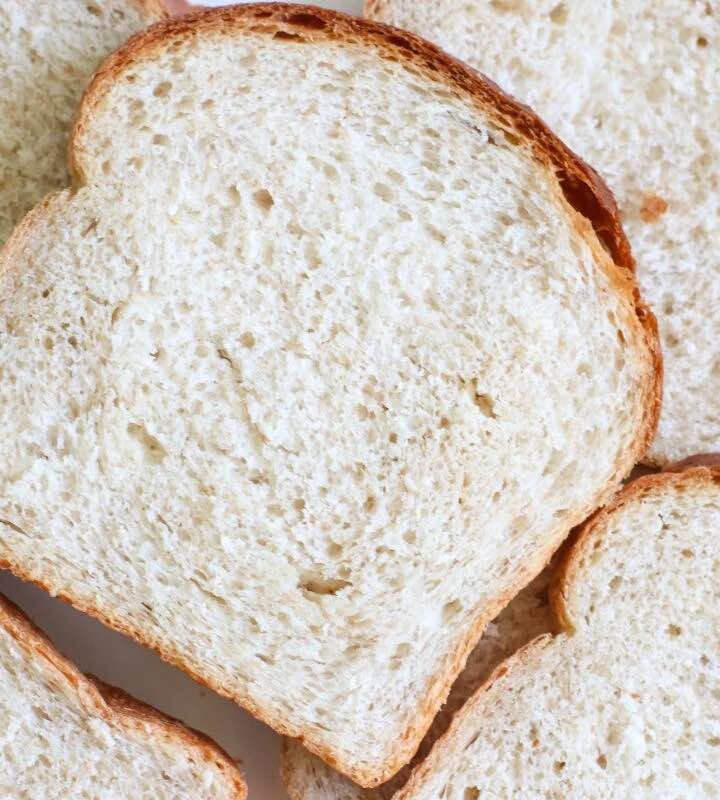
One of the biggest reasons people love homemade sourdough sandwich bread is the balance between softness and flavor. The bread has a tender crumb, light chew, and golden crust without being overly crusty or hard.
Whether you are an experienced sourdough baker or just beginning your sourdough journey, this recipe is simple, rewarding, and perfect for daily baking.
Why Homemade Sourdough Sandwich Bread Is Better
Store-bought sandwich bread often contains preservatives, additives, and artificial ingredients to extend shelf life. Homemade sourdough bread offers a fresher and more wholesome alternative.
Benefits of homemade sourdough sandwich bread include:
- Rich homemade flavor
- Soft texture
- Natural fermentation
- Better freshness
- No preservatives
- Excellent sandwich structure
The long fermentation process also helps develop deeper flavor and improved texture.
What Makes Sandwich Sourdough Softer?
Traditional artisan sourdough usually contains only flour, water, salt, and starter. Sandwich-style sourdough includes enriched ingredients that create a softer crumb.
This recipe uses:
- Milk
- Butter or oil
- Honey or sugar
These ingredients help produce bread that is:
- Softer
- Fluffier
- More tender
- Easier to slice
The result is a loaf perfect for sandwiches without sacrificing sourdough flavor.
Understanding Sourdough Starter
An active sourdough starter is essential for good rise and texture.
A healthy starter should:
- Be bubbly and active
- Double in size after feeding
- Smell fresh and mildly tangy
Using a strong starter helps create light and airy bread.
If your starter is weak, the loaf may turn out dense.
Why Overnight Fermentation Improves Flavor
Long fermentation is one of the key benefits of sourdough baking.
Allowing the dough to rise slowly helps:
- Develop flavor
- Improve texture
- Strengthen gluten
- Create softer crumb
Overnight fermentation also makes the dough easier to handle and schedule around busy days.
The Best Flour for Sourdough Sandwich Bread
Bread flour is often preferred because its higher protein content creates stronger gluten structure.
However, all-purpose flour also works well for softer sandwich bread.
You can also combine flours such as:
- Bread flour
- Whole wheat flour
- White whole wheat flour
for added flavor and nutrition.
Tips for Perfect Sourdough Sandwich Bread
1. Use Active Starter
A bubbly starter creates better rise and lighter bread.
2. Knead Until Smooth
Well-developed dough creates soft texture and good structure.
3. Don’t Add Too Much Flour
The dough should feel soft and slightly tacky.
Too much flour can create dense bread.
4. Allow Proper Rising Time
Sourdough rises more slowly than commercial yeast bread.
Patience is essential.
5. Use a Loaf Pan
A loaf pan helps create the classic sandwich bread shape.
Why This Bread Is Perfect for Sandwiches
Sourdough sandwich bread has a tighter crumb structure than artisan sourdough, making it easier to slice and fill.
It works perfectly for:
- Grilled cheese
- Turkey sandwiches
- Peanut butter and jelly
- French toast
- Avocado toast
- Breakfast sandwiches
The soft crumb also holds spreads and fillings well without falling apart.
Flavor Variations
This bread is easy to customize.
Honey Sourdough Bread
Add extra honey for slightly sweeter flavor.
Whole Wheat Sandwich Bread
Replace part of the flour with whole wheat flour.
Seeded Sourdough Bread
Add sunflower seeds, flaxseed, or sesame seeds.
Herb Sourdough Bread
Mix dried herbs into the dough.
Storage Tips
Room Temperature
Store in a bread bag or airtight container for:
3–4 days
Freezer
Slice and freeze for up to:
3 months
Toast directly from frozen.
Why Homemade Bread Is Trending
Homemade bread baking continues to grow in popularity because people enjoy:
- Fresh flavor
- Simpler ingredients
- Homemade comfort food
- Traditional baking methods
Sourdough sandwich bread is especially popular because it combines artisan flavor with practical everyday use.
Common Questions
Can I use sourdough discard?
Active starter is best for rise, though discard can be used with added yeast.
Why is my bread dense?
Usually because:
- Starter was weak
- Dough needed more fermentation
- Too much flour was added
Can I make this overnight?
Yes. Refrigerating the dough overnight improves flavor.
How do I keep the crust soft?
Brush the loaf with butter after baking and store once cooled.
Part 2: Simple Recipe Card
Sourdough Sandwich Bread
Prep Time
25 minutes
Rise Time
8–12 hours
Bake Time
35–40 minutes
Total Time
About 10 hours
Servings
1 loaf
Ingredients
- ½ cup active sourdough starter
- 1 cup warm milk
- 2 tablespoons honey or sugar
- 2 tablespoons softened butter or oil
- 3½ cups bread flour
- 1½ teaspoons salt
Optional:
- melted butter for brushing
Instructions
Step 1: Mix the Dough
In a large bowl combine:
- sourdough starter
- warm milk
- honey
- butter
Add flour and salt.
Mix until a dough forms.
Step 2: Knead
Knead dough for:
8–10 minutes
until smooth and elastic.
Step 3: First Rise
Place dough in a greased bowl.
Cover and let rise for:
8–12 hours
or until doubled.
Step 4: Shape the Dough
Shape dough into a loaf.
Place into a greased loaf pan.
Step 5: Second Rise
Cover and let rise for:
1–2 hours
until puffy.
Step 6: Bake
Preheat oven to:
375°F (190°C)
Bake for:
35–40 minutes
until golden brown.
Internal temperature should reach:
190–200°F (88–93°C)
Step 7: Cool
Brush with melted butter if desired.
Allow bread to cool completely before slicing.
Nutrition (Approximate Per Slice)
- Calories: 140
- Carbohydrates: 26g
- Protein: 4g
- Fat: 2g
- Fiber: 1g
- Sugar: 3g
- Sodium: 180mg