Soft & Fluffy Gluten-Free Milk Bread
Part 1: The Ultimate Homemade Gluten-Free Milk Bread Guide
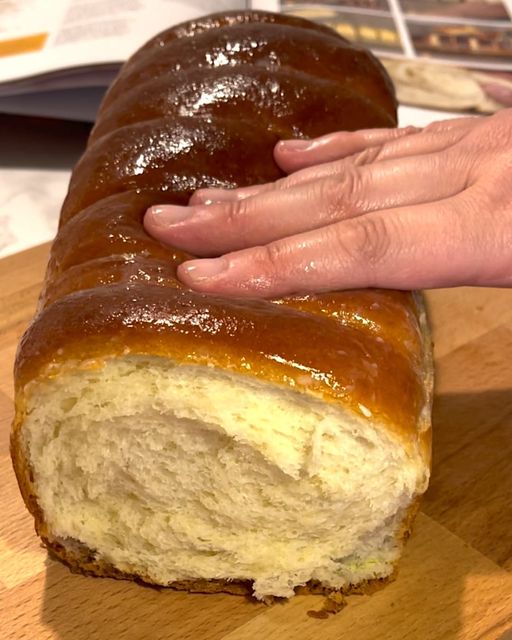
Freshly baked gluten-free milk bread is one of the most comforting and versatile breads you can make at home. Known for its soft texture, slightly sweet flavor, and pillowy crumb, milk bread is loved around the world for sandwiches, toast, and breakfast treats.
Traditional milk bread recipes rely heavily on wheat flour and gluten to create their signature airy structure. However, with the right combination of gluten-free ingredients and baking techniques, it is completely possible to recreate that same soft, fluffy texture without using wheat.
This homemade gluten-free milk bread recipe produces a loaf that is:
- Soft and tender
- Light and fluffy
- Slightly sweet and buttery
- Perfect for sandwiches and toast
- Naturally gluten-free
Whether you are baking for celiac disease, gluten sensitivity, or simply exploring gluten-free baking, this recipe delivers bakery-quality results right from your kitchen.
What Makes Milk Bread Special?
Milk bread is a popular enriched bread known for its soft and delicate texture. It is often associated with Japanese baking, though similar versions exist in many cultures.
Unlike traditional crusty breads, milk bread contains ingredients that enrich the dough and create a tender crumb. These ingredients typically include:
- Milk
- Butter
- Eggs
- Sugar
The result is a loaf that is softer and richer than standard bread. The crust is light and golden while the interior remains fluffy and slightly sweet.
Milk bread is perfect for:
- Sandwiches
- French toast
- Breakfast toast with butter or jam
- Sweet or savory fillings
When made gluten-free, the bread becomes an excellent option for those who want a soft sandwich loaf without gluten.
Challenges of Gluten-Free Bread Baking
Gluten plays a major role in traditional bread baking. It gives dough its elasticity and helps trap air bubbles created by yeast fermentation.
Without gluten, bread can sometimes turn out:
- Dense
- Dry
- Crumbly
However, modern gluten-free baking uses alternative ingredients to mimic gluten’s structure. These ingredients help create elasticity, moisture retention, and stability in gluten-free dough.
The key to great gluten-free bread is balancing starches, protein, and moisture.
Key Ingredients That Make Gluten-Free Milk Bread Work
Gluten-Free Flour Blend
A high-quality gluten-free flour blend is the foundation of this recipe. These blends often include rice flour, potato starch, and tapioca starch, which together create a light texture.
Xanthan Gum
Xanthan gum is a common ingredient in gluten-free baking. It helps provide structure and elasticity that would normally come from gluten.
Without it, gluten-free bread tends to crumble.
Warm Milk
Milk adds moisture and richness while also helping activate the yeast. It contributes to the soft crumb that milk bread is known for.
Eggs
Eggs help bind the ingredients together and add extra softness to the bread.
Butter
Butter enriches the dough and enhances the flavor. It also keeps the bread tender.
Sugar
A small amount of sugar feeds the yeast and adds subtle sweetness.
Why This Bread Is Perfect for Sandwiches
Many gluten-free breads can be fragile and fall apart when used for sandwiches. This milk bread recipe is designed to stay soft while holding its shape when sliced.
It works beautifully for:
- Grilled cheese
- Peanut butter sandwiches
- Breakfast toast
- Turkey or chicken sandwiches
- French toast
Because of its soft texture, it can also be used for homemade sliders or mini sandwiches.
Tips for Perfect Gluten-Free Milk Bread
Use Warm Liquid
Milk should be warm but not hot. The ideal temperature is around 105–110°F (40–43°C) to activate the yeast without killing it.
Let the Dough Rise Properly
Gluten-free dough will not rise exactly like wheat dough, but allowing enough proofing time helps create a lighter texture.
Use a Loaf Pan
Because gluten-free dough is softer than regular dough, it needs the support of a loaf pan during baking.
Don’t Overbake
Overbaking can dry out gluten-free bread. Check the bread near the end of the baking time.
Cool Before Slicing
Allow the bread to cool completely before slicing. This helps the crumb set properly.
How to Store Gluten-Free Milk Bread
Gluten-free bread is best enjoyed fresh, but proper storage can extend its shelf life.
Room Temperature
Store in an airtight container for 2–3 days.
Refrigerator
Refrigeration can extend freshness to 5 days, though it may slightly dry the bread.
Freezer
Slice the bread and freeze it in a sealed bag for up to 2 months. Individual slices can be toasted directly from frozen.
Serving Ideas
This soft gluten-free milk bread is incredibly versatile.
You can enjoy it in many ways:
Classic breakfast toast
Spread with butter, honey, or fruit jam.
French toast
Its soft crumb absorbs egg mixture beautifully.
Sandwich bread
Use for deli sandwiches or grilled cheese.
Sweet dessert toast
Top with whipped cream and fresh fruit.
Garlic bread
Spread with butter, garlic, and herbs before toasting.
Why Homemade Gluten-Free Bread Is Better
Store-bought gluten-free bread can be expensive and sometimes lacks freshness or flavor.
Making your own bread at home allows you to:
- Control ingredients
- Avoid preservatives
- Customize flavor and texture
- Save money
- Enjoy fresh bread anytime
The aroma of freshly baked bread filling your kitchen is an added bonus.
Common Questions About Gluten-Free Milk Bread
Can I make this dairy-free?
Yes. You can substitute milk with unsweetened almond milk or oat milk and replace butter with dairy-free margarine.
Can I make this bread sweeter?
If you prefer sweeter bread, increase the sugar slightly or add honey.
Can I add flavors?
Yes. Popular additions include:
- Vanilla extract
- Orange zest
- Cinnamon
Can this recipe be made into rolls?
Absolutely. Divide the dough into small portions and bake in a muffin tin or baking pan.
Why This Recipe Is Popular
Gluten-free milk bread has become popular because it offers everything people love about traditional bread while remaining accessible to those avoiding gluten.
This recipe is loved because it is:
- Soft and fluffy
- Easy to make
- Great for sandwiches
- Family-friendly
- Naturally gluten-free
Once you bake this loaf, it may become your go-to gluten-free bread recipe.
Part 2: Simple Recipe Card
Gluten-Free Milk Bread
Prep Time
20 minutes
Rise Time
45–60 minutes
Bake Time
35 minutes
Total Time
1 hour 45 minutes
Servings
10–12 slices
Ingredients
- 2½ cups gluten-free all-purpose flour blend (with xanthan gum)
- 2¼ teaspoons active dry yeast (1 packet)
- 3 tablespoons sugar
- ½ teaspoon salt
- 1 cup warm milk (105–110°F / 40–43°C)
- 2 large eggs, room temperature
- 4 tablespoons unsalted butter, melted
- 1 teaspoon apple cider vinegar (optional, improves texture)
Optional topping:
- 1 tablespoon melted butter for brushing
Instructions
Step 1: Activate the Yeast
In a bowl combine:
- warm milk
- sugar
- yeast
Let sit for 5–10 minutes until foamy.
Step 2: Mix the Dough
In a large mixing bowl combine:
- gluten-free flour
- salt
Add:
- yeast mixture
- eggs
- melted butter
- apple cider vinegar
Mix until a soft dough forms.
Step 3: First Rise
Transfer the dough into a greased 9×5 inch loaf pan.
Smooth the top with a spatula.
Cover and let rise in a warm place for 45–60 minutes until slightly puffed.
Step 4: Bake
Preheat oven to 350°F (175°C).
Bake the loaf for 30–35 minutes until the top is golden brown.
Step 5: Finish
Brush the top with melted butter if desired.
Allow the bread to cool completely before slicing.
Nutrition (Per Slice – Approximate)
- Calories: 180
- Carbohydrates: 26g
- Protein: 4g
- Fat: 6g
- Fiber: 1g
- Sugar: 5g
- Sodium: 160mg