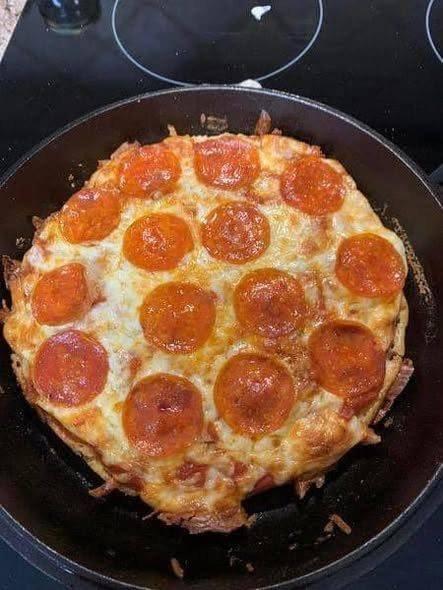
Sourdough Discard Pizza – A Crispy, Flavorful Homemade Pizza Using Sourdough Starter
If you regularly bake sourdough bread, you probably end up with extra starter that needs to be discarded during feeding. Instead of throwing it away, you can transform that leftover starter into something delicious. One of the most popular and practical ways to use it is by making Sourdough Discard Pizza.
This homemade pizza crust uses sourdough discard to create a crust that is slightly tangy, beautifully crisp on the outside, and soft inside. It’s a fantastic way to reduce food waste while creating a pizza that tastes far better than most store-bought options.
Unlike traditional pizza dough that requires hours of fermentation, this easy sourdough discard pizza dough can be prepared much faster. The discard provides flavor while yeast helps the dough rise quickly, making it perfect for busy weeknights or spontaneous pizza nights at home.
In this guide, you’ll learn everything about making a perfect sourdough discard pizza crust, including helpful tips, fermentation options, baking temperatures, and nutritional information.
Why Use Sourdough Discard for Pizza Dough?
Sourdough baking requires regularly feeding your starter with flour and water. During this process, a portion of the starter is often removed—this is known as sourdough discard.
While discard isn’t strong enough to raise bread on its own, it still contains amazing flavor and beneficial natural fermentation compounds.
Using sourdough discard in pizza dough provides several benefits:
Incredible Flavor
Sourdough discard adds a subtle tangy taste that enhances the overall flavor of the crust.
Reduces Food Waste
Instead of throwing away excess starter, you turn it into a delicious meal.
Improves Texture
The natural fermentation improves the crust’s texture, giving it a light and airy structure.
Faster Than Traditional Sourdough Pizza
Since we add yeast to assist with rising, the dough is ready much sooner.
What Makes Sourdough Pizza Different From Regular Pizza?
The biggest difference between sourdough pizza crust and traditional pizza dough is the flavor complexity.
Regular pizza dough usually contains flour, water, yeast, and salt. Sourdough pizza dough adds fermented sourdough starter, which creates a richer and more developed taste.
Here’s how they compare:
| Feature | Regular Pizza Dough | Sourdough Pizza Dough |
|---|---|---|
| Flavor | Mild | Slightly tangy and complex |
| Fermentation | Short | Naturally fermented |
| Texture | Soft | Crispy with chewy interior |
| Digestibility | Standard | Often easier to digest |
Many pizza lovers say once they try sourdough pizza, it’s hard to go back to regular crust.
The Secret to a Perfect Sourdough Pizza Crust
Creating a great pizza crust is about balancing texture, flavor, and crispiness.
Here are a few key techniques:
Use High Heat
Pizza cooks best at very high temperatures. Baking at 475–500°F (245–260°C) helps the crust become crispy.
Preheat Your Baking Surface
Using a pizza stone or baking steel gives the crust a beautiful crisp bottom.
Don’t Overload the Toppings
Too many toppings can make the crust soggy.
Let the Dough Rest
Even a short resting period helps develop gluten and improves texture.
Ingredients That Make the Best Sourdough Discard Pizza
The ingredients for sourdough discard pizza dough are simple pantry staples.
Sourdough Discard
The star ingredient. It adds tangy flavor and depth.
Flour
All-purpose flour works well, but bread flour gives extra chewiness.
Water
Hydrates the dough and helps gluten development.
Yeast
Provides extra lift since discard alone isn’t strong enough.
Olive Oil
Adds richness and helps create a crispy crust.
Salt
Enhances the overall flavor of the dough.
Best Toppings for Homemade Sourdough Pizza
Once your dough is ready, the toppings are where creativity begins.
Here are some classic pizza topping ideas:
Classic Margherita
Tomato sauce, fresh mozzarella, basil, olive oil.
Pepperoni Pizza
Tomato sauce, mozzarella cheese, pepperoni slices.
Veggie Supreme
Bell peppers, mushrooms, onions, olives, mozzarella.
BBQ Chicken Pizza
BBQ sauce, shredded chicken, red onion, mozzarella.
Mediterranean Style
Olive oil base, feta cheese, olives, spinach, tomatoes.
Tips for Working With Sourdough Discard
If you’re new to sourdough baking, here are a few helpful tips:
Discard Can Be Cold
You can use sourdough discard straight from the refrigerator.
No Need to Activate
Discard does not need to be bubbly or active.
Flavor Develops Over Time
Older discard tends to produce stronger tangy flavor.
Store Discard Properly
Keep extra discard in the refrigerator and use it within a week.
Equipment That Helps Make Perfect Pizza
You don’t need special tools, but these can help improve results:
- Pizza stone or baking steel
- Pizza peel or flat tray
- Mixing bowl
- Measuring cups
- Rolling pin (optional)
Even a regular baking sheet works perfectly fine for homemade pizza.
How to Store and Reheat Sourdough Pizza
Homemade pizza often tastes just as good the next day if stored correctly.
Refrigeration
Store leftover slices in an airtight container for up to 3 days.
Freezing
Wrap slices tightly and freeze for up to 2 months.
Reheating
For best results, reheat pizza in the oven at 375°F (190°C) for 8–10 minutes.
Avoid microwaving if possible, as it softens the crust.
Part 2 – Simple Sourdough Discard Pizza Recipe
Preparation Time
15 minutes
Resting Time
45–60 minutes
Cooking Time
12–15 minutes
Total Time
1 hour 15 minutes
Servings
2 medium pizzas
Ingredients
- 1 cup sourdough discard
- 2 cups all-purpose flour (or bread flour)
- ¾ cup warm water
- 1 teaspoon instant yeast
- 1 teaspoon salt
- 1 tablespoon olive oil
Pizza Toppings
- ½ cup pizza sauce
- 1–1½ cups shredded mozzarella cheese
- Pepperoni or vegetables of choice
- Fresh basil (optional)
Instructions
Step 1 – Prepare the Dough
In a large bowl, combine sourdough discard, warm water, and yeast. Stir until mixed.
Step 2 – Add Dry Ingredients
Add flour, salt, and olive oil. Mix until a soft dough forms.
Step 3 – Knead the Dough
Knead the dough on a floured surface for about 6–8 minutes until smooth and elastic.
Step 4 – Rest the Dough
Place dough in a lightly oiled bowl, cover, and let it rest for 45–60 minutes until slightly puffy.
Step 5 – Preheat the Oven
Preheat oven to 475°F (245°C). If using a pizza stone, place it inside while heating.
Step 6 – Shape the Pizza
Divide dough into two portions. Roll or stretch into pizza rounds.
Step 7 – Add Toppings
Spread pizza sauce over the dough, sprinkle with mozzarella cheese, and add toppings.
Step 8 – Bake the Pizza
Bake for 12–15 minutes until the crust is golden and cheese is bubbling.
Step 9 – Serve
Remove from oven, garnish with fresh basil if desired, slice, and enjoy.
Nutritional Information (Per Slice – Approximate)
- Calories: 210
- Carbohydrates: 32 g
- Protein: 8 g
- Fat: 6 g
- Fiber: 1 g
- Sodium: 350 mg